By LINDA ANN McDONALD
Correspondent
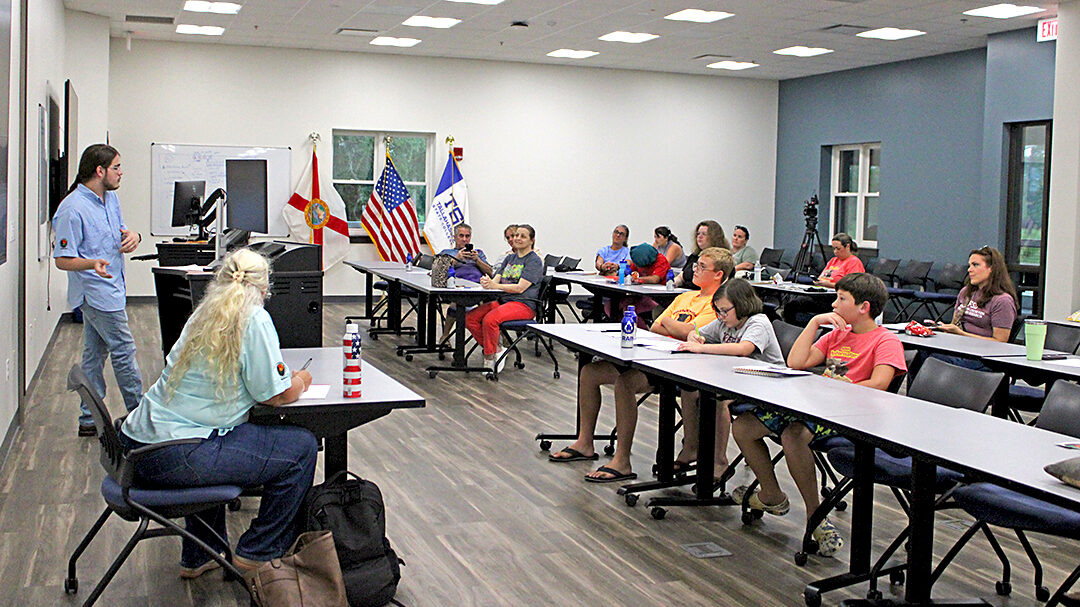
Keep Wakulla County Beautiful’s (KWCB) youth board held its founders’ meeting with a full meeting room a couple of weeks ago at the Wakulla Environmental Institute in Crawfordville.
Read More …

By LINDA ANN McDONALD
Correspondent
Keep Wakulla County Beautiful’s (KWCB) youth board held its founders’ meeting with a full meeting room a couple of weeks ago at the Wakulla Environmental Institute in Crawfordville.
Read More …Staff Report
Landon Davis, well known locally for his work as an umpire fro 34 years in youth and college baseball, from Florida to Texas, was killed in a head-on crash on Aug. 11.
Read More …New Coach Derek Allen Jr. is at the ßhelm

By WILLIAM SNOWDEN
Editor
Ten years ago, 2016, Derek Allen was getting ready to take over the Wakulla War Eagle offense as quarterback. He led the team, under Head Coach Scott Klees, to the playoffs.
For more Football stories see our Football Special SectionRead More …
By WILLIAM SNOWDEN
Editor
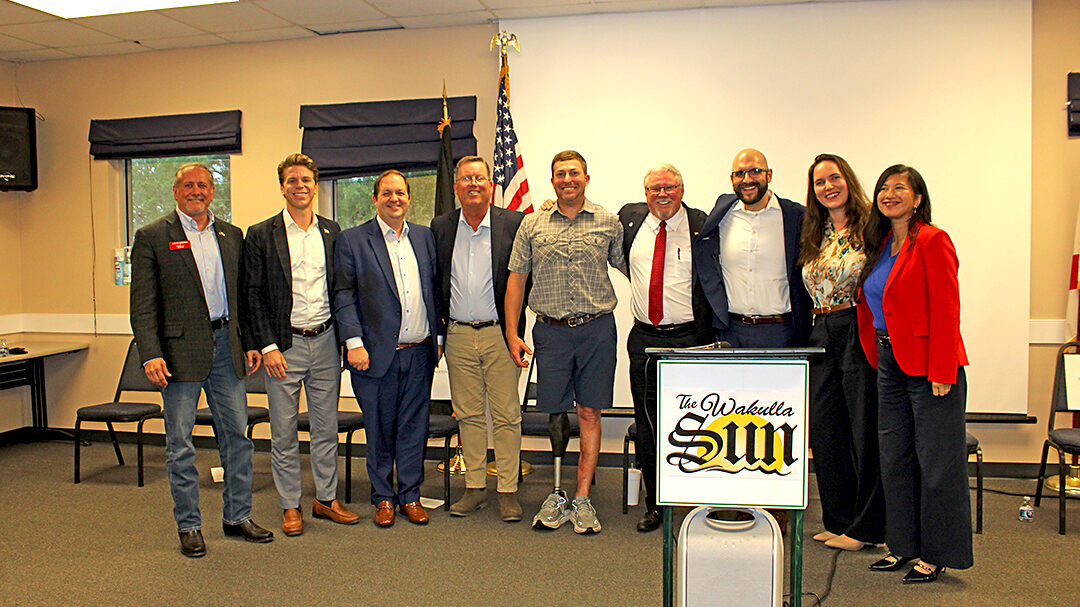
Most of the candidates for Congress District 2 appeared at a forum held at the public library and hosted by The Wakulla Sun.
Since Congressman Neal Dunn, R-Panama City, announced his retirement, the field has been flooded with candidates.
Five Republicans and all four Democrats seeking their party’s nomination attended the forum on Tuesday, Aug. 5.
A video of the forum can be viewed at The Wakulla Sun website,Read More …
thewakullasun.com and on our youtube page https://www.youtube.com/@thewakullasun4452.

By WILLIAM SNOWDEN
Editor
On Tuesday, Aug. 4, the Wakulla County Sheriff’s Office confirmed there was a double-homicide at 740 Otter Creek Road in Sopchoppy. The deceased were identified as Rebecca Lynn Thomas, 58, and John William Luper III, 49, who both died as a result of multiple gunshot wounds.
Read More …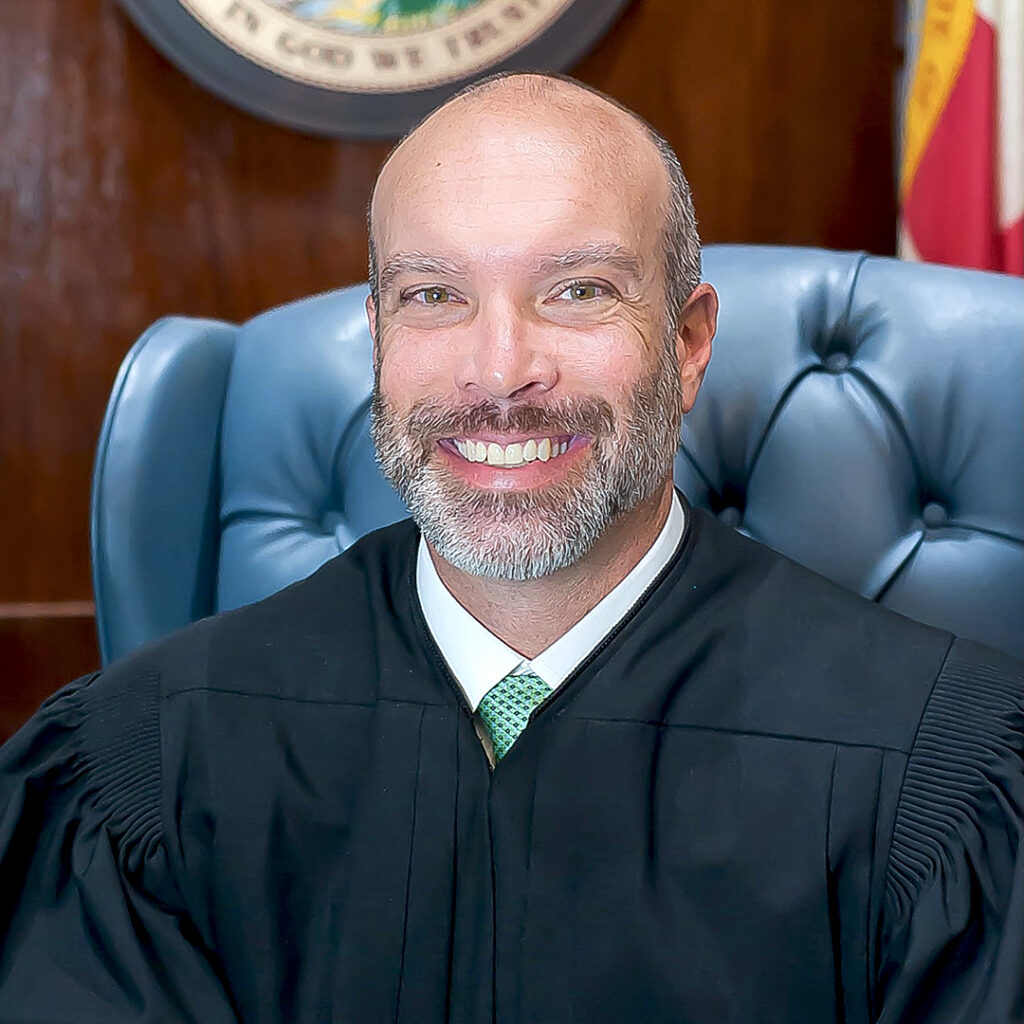
By JASON JONES
Special to The Sun
A judge should be fair, compassionate, and follow the law, and I have demonstrated all three of these qualities throughout my 22 years as a member of the Florida Bar and my six years as your Judge.
The Wakulla Sun offers candidates the opportunity to announce their candidacy, and tell voters the issues that are important to them.Read More …
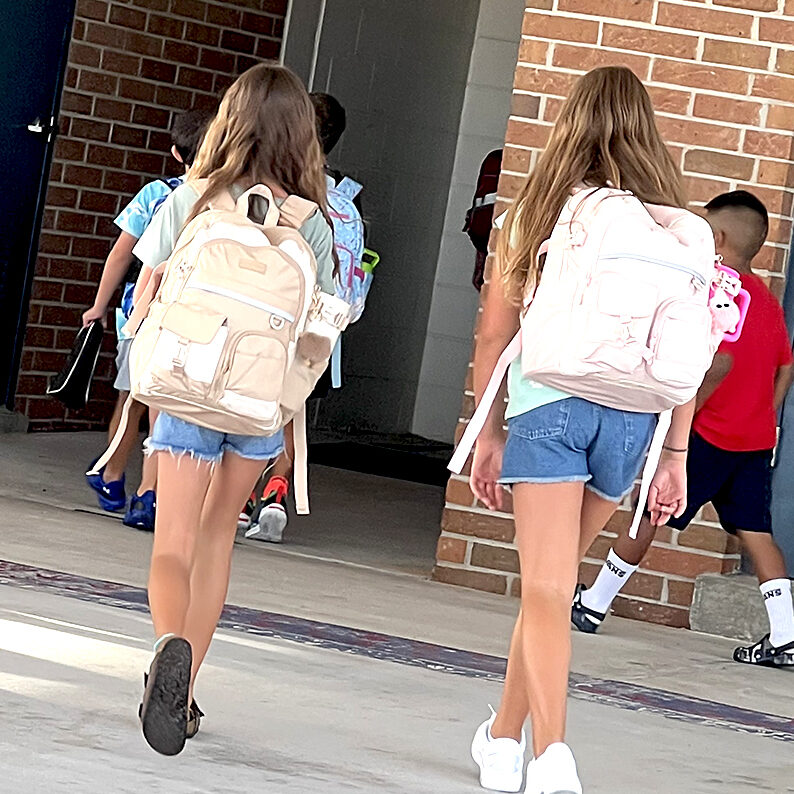
These Shadeville Elementary students head inside on the first day of school, Monday, Aug. 10, which was an early release day. Superintendent of Schools Rick Myhre issued a statement giving “a huge shout-out and thank you to our bus drivers and van drivers for an amazing first day of school!” Myhre noted that some bus routes were a little longer, and some buses were more crowded than others, but no bus left campus over capacity and all students arrived home safely.
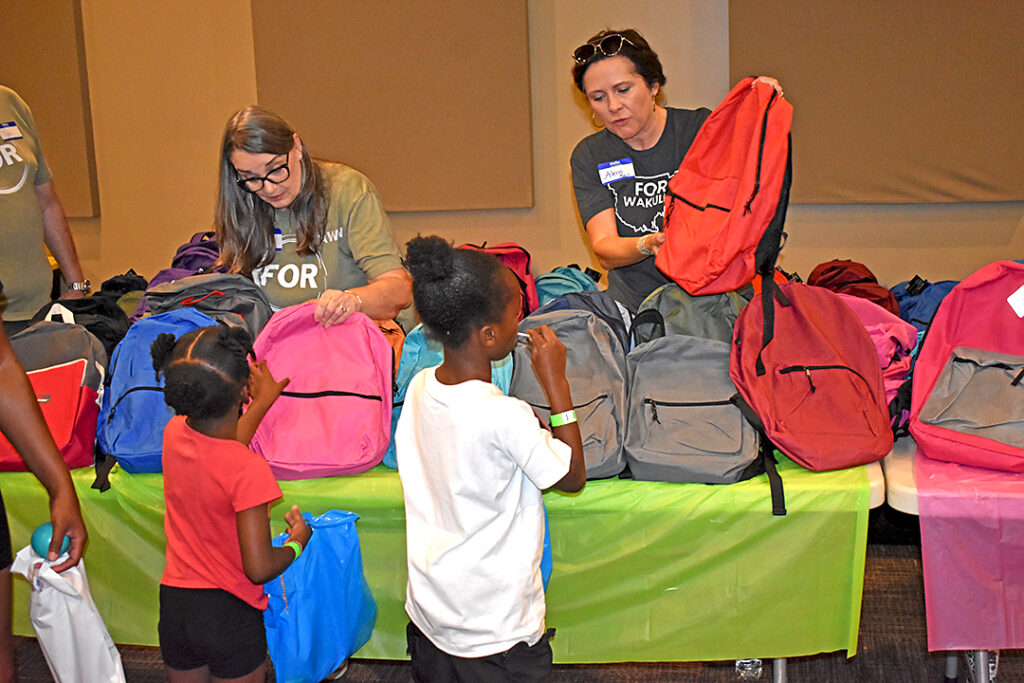
The FRESH Be A Hero to Our Heroes organization held its 16th annual Backpack Giveaway at communities around the county – St. Marks, Panacea, Sopchoppy – culminating in the big event at this past Saturday at the community center in Crawfordville. Students received school supplies to prepare for the first day of school on Monday, Aug. 10.
Read More …
By LAURA MOOSER
WCGC President
Four Wakulla County students are taking the next step toward careers in environmental and related fields with support from the Florida Federation of Garden Clubs, which awards $3,000 scholarships each year to qualified high school seniors and college students.
Read More …Contact us to advertise in one of our Quality Publications. THE WAKULLA SUN (our Weekly Newspaper), WAKULLA NEIGHBOR (our FREE Monthly publication going to ALL Homes in Wakulla County) and GULF COAST BREEZE (our Annual Visitors Guide to Wakulla County).